Blank Street Coffee and the Rise of “Aesthetic Distribution”: What every modern brand should learn from a $500M matcha machine.
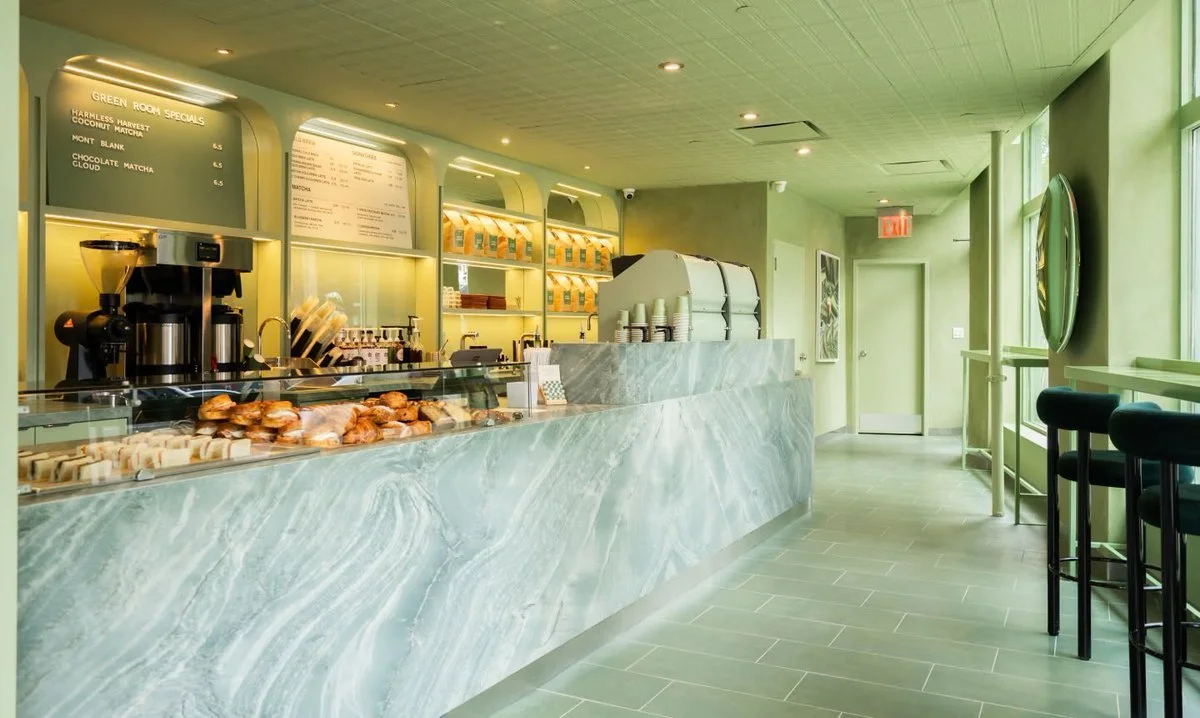
I’ve had a running joke with my friend Priscilla in DC about “venture capital coffee” ever since a Blank Street opened (and closed) next to the legendary local restaurant Le Diplomate. Cute bit. But here’s the plot twist:
While we were laughing, they quietly built a half-billion-dollar valuation off matcha and middle schoolers.
And Chavie Lieber’s recent piece in The Wall Street Journal finally pulls the curtain back on why.
The Numbers Behind the Vibes
Blank Street launched in 2020 with a Brooklyn coffee cart. Four years later:
90+ stores
$135M in funding
~$149M in annual revenue
$500M valuation
That’s not a coffee business. That’s a cultural export.
Their Real Product: “Aesthetic Distribution”
Lieber nails it: Blank Street is selling identity, belonging, and a mood. Not lattes.
Every drink has a persona. Every flavor maps to a character.
Cookies & Cream Latte → Dimes Square boy
Aries Latte → Charli-stan in McCarren Park
It’s absurd. And it’s brilliant.
This is how it works:
Engineer a sugary, hyper-photogenic drink.
Tie it to a micro-identity or trend.
Let TikTok distribution do the heavy lifting.
Watch teenagers turn it into status signaling.
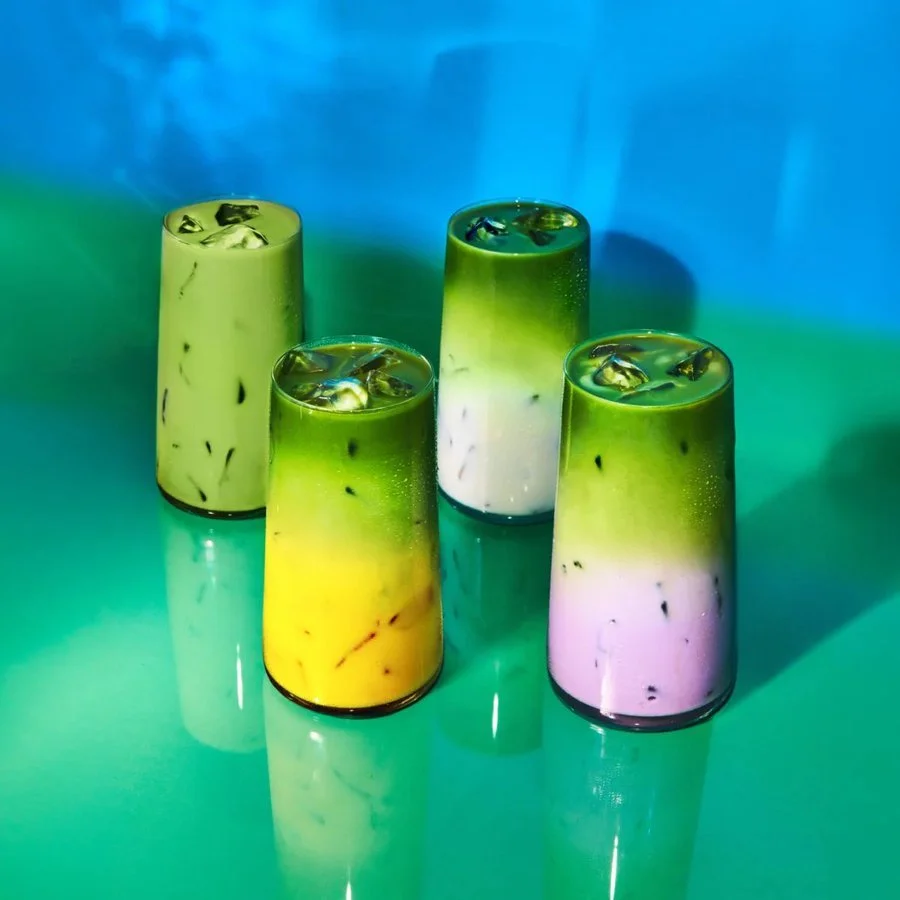
The result? Matcha is now half their entire business. Read that again.
The Membership Club That Shouldn’t Work (But Does)
Blank Street rolled out an invite-only $22/month membership for 14 drinks a week — and there’s a waitlist.
People are literally hacking their way into a coffee loyalty program.
It has the scarcity dynamics of a Supreme drop… for iced green beverages.
That’s how you know you’re operating in a different genre.
The Bigger Insight: Gen Z Isn’t Consuming as Much as They’re Curating
Lieber’s article points to something much larger than Blank Street:
Gen Z uses products to script their personalities.
Brands are selling roles. The best operators understand that identity is now a distribution channel.
Blank Street just industrialized it.
Here’s the takeaway for any brand leader:
If your product doesn’t help your customer express who they are (or who they want to be), you’re fighting with one hand tied behind your back.
Link to the WSJ piece: https://www.wsj.com/business/blank-street-coffee-gen-z-matcha-a1e249e1