Lessons to Learn From the Death of the Mainstream
Everyone thinks they’re mainstream. They’re not.
Even John Oliver, weekly HBO anchor, Emmy magnet, free clips on YouTube, can’t cut through in 2025. It’s a signal.
1. The John Oliver Problem: Prestige ≠ Penetration
John Oliver is everywhere on paper:
HBO every Sunday
Millions poured into production
Meticulous fact-checking
Universal critical acclaim
Entire segments posted for free online
And still? No real impact.
As Bob Lefsetz put it bluntly in one of his recent newsletters: nothing is mainstream anymore.
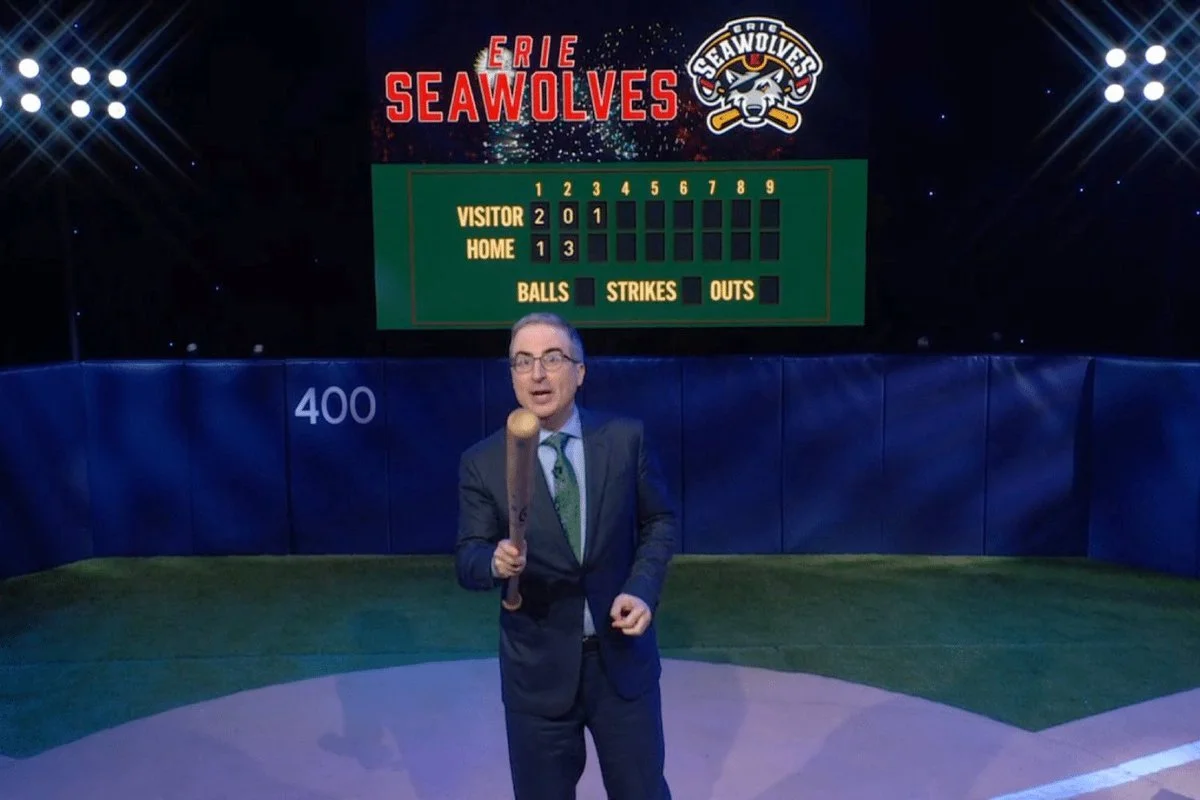
The moment that crystallized it: Oliver announced he’d be rebranding a minor-league baseball team. Players’ reactions were filmed. Only one knew who he was, and even he wasn’t totally sure.
That's not an indictment of Oliver. That’s an indictment of the modern attention economy.
2. The Illusion of Scale
A 0.09 demo rating. A slot on Paramount+, FS1, Roku, whoever. A talent cameo. A “viral moment.”
None of those mean you’ve “made it.” They’re vanity metrics.
TV ≠ reach
Prestige ≠ impact
Virality ≠ longevity
In the 1990s, three networks reached everyone. Now? Nobody does. The monoculture is dead. Most media companies still behave like it isn’t.
3. The Casual Fan Never Existed
This is the hardest pill for legacy operators to swallow: the “casual fan” they keep pitching to has never been real.
People don’t graze. They choose. They watch what they want, when they want, and ignore everything else.
There is no middle. Only niches, and the niches win.
There will never be another WWE, or Oasis, or Taylor Swift, or American Idol-era ubiquity.
The ecosystem is too fractured, and users are too empowered.
4. The Modern Playbook: Build for Somebody, Not Everybody
The best recent success story? AEW.
They started with All In — a self-funded fan rally that proved demand, built belief, and forced the right partners to the table.
That's how scale works today: from the niche outward.
5. The Richest Opportunity: The Enthusiasts
Most brands sleep on the most valuable audiences:
Hardcore fans
Regional loyalists
Local culture hubs
Online superfans
Creators
Collectors
Diehards
These people want in. They want to be seen. They want you to speak their language.
The Savannah Bananas are the perfect case study- not chasing MLB legitimacy, not optimizing for baseball purists. They built for families, creators, and anyone who wants joy over box-score accuracy. They turned baseball into themed entertainment.
Same playbook, different verticals:
Netflix — the platform and the content. They’re not trying to be universal. They build for every pocket of culture, then watch the data compound.
Hudl — owns high school sports performance because it built for coaches, not Monday-morning audiences. KKR and Bain didn’t buy into “sports tech,” they bought into niche dominance.
Boiler Room — small rooms, massive cultural authority, known to the purist dance music fans with DJs that match. Again, niche → global.
In wrestling:
GCW: too bloody for me, wildly effective because they know their exact fan.
AEW, wrestling for wrestling fans.
PWRevolver, led by Sami Callihan: specific, loud, intentional.
The names change. The pattern doesn’t.
6. The New Rules of Reach
If your economics depend on mass reach… you’re in trouble.
If your strategy relies on “going viral”… you’re guessing.
If your pitch is “we want the casual viewer”… you’re deluding yourself.
The new game is simple:
Serve small, passionate communities
Own your data
Let the niches compound
That’s where real pricing power lives. That’s where loyalty lives. That’s where repeat purchase and recurring revenue live.
7. The Real Takeaway
The John Oliver Problem is everyone’s problem. Media companies, leagues, creators, brands, all of them.
Stop confusing ubiquity with impact.
Stop trying to be everywhere. Start being essential to someone.