Why Some Fans Think Their Favorite Brand “Feels Different” — And the Real Reason Behind It
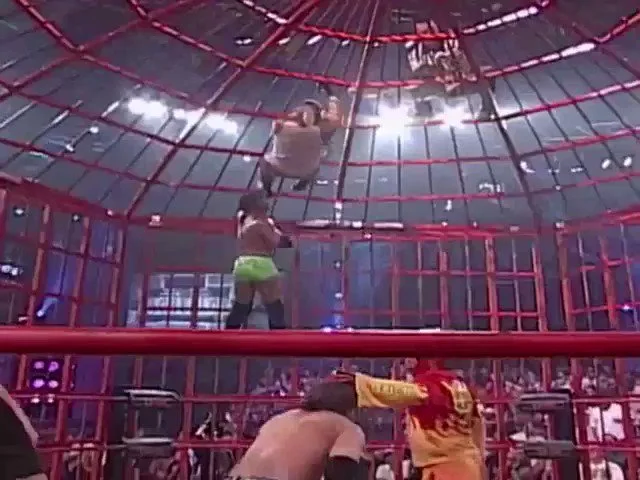
Every once in a while, you see a flare-up on Pro Wrestling Twitter: “[Insert Brand] just doesn’t feel the same anymore.” And right on cue, other fans dunk on them for being dramatic.
Here’s the thing: the instinct isn’t wrong. And there’s an actual business pattern that explains it — one so blunt you might laugh.
It’s called enshittification (or, if you prefer softer branding, crapification).
Tech author Cory Doctorow coined the term in 2022 to describe a cycle where a product starts out beloved, then gradually loses the magic — not because the creators stop caring, but because the business pressures evolve.
The cycle is simple:
Build something cool and original.
Tweak it to appeal to more people.
Tweak it again to extract more revenue.
At some point, the thing that made it special gets sanded down in service of growth, scale, or profit.
If you want the slightly snarkier version:
Step 1: Build something that people love
Step 2: Change it to make advertisers happy
Step 3: Squeeze it dry for shareholders
This is how pressure layers. It’s rarely malicious. It’s structural.
The Pattern Is Everywhere
Doctorow originally pointed to platforms:
Uber before tipping, surcharges, and service fees
Airbnb before cleaning checklists and fee pyramids
Dating apps before “roses” and algorithmic paywalls
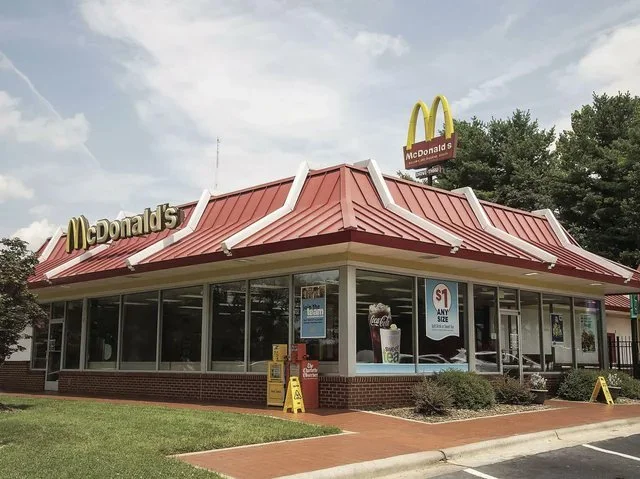
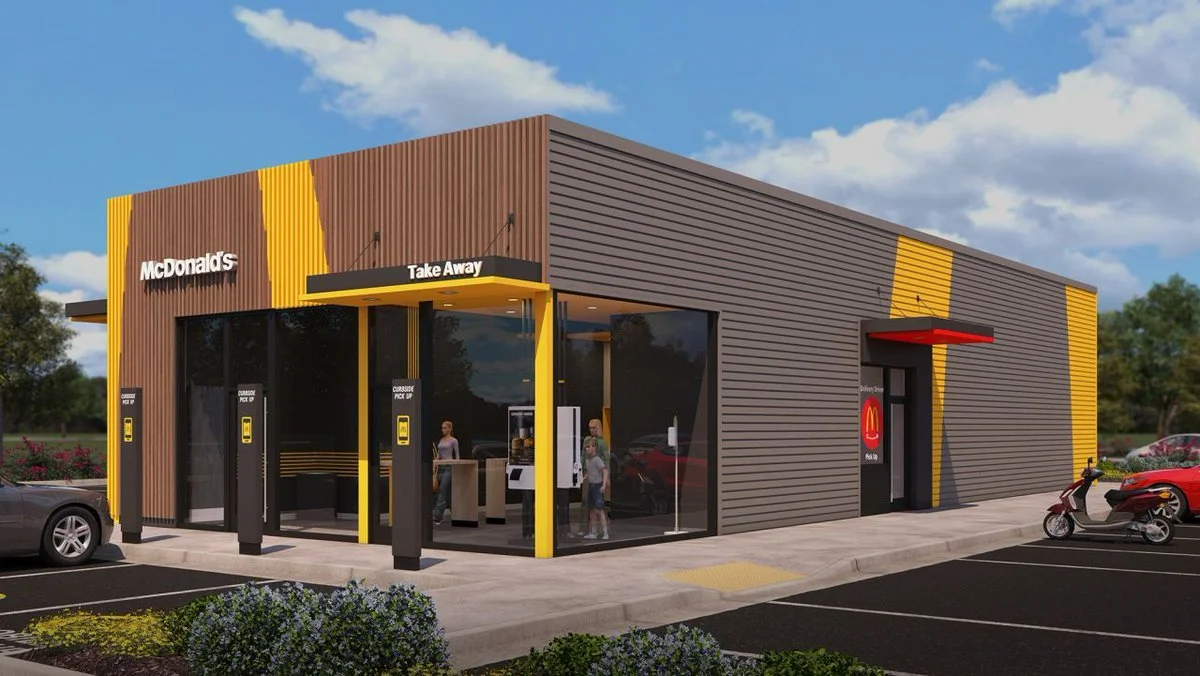
But it applies to physical brands too. McDonald’s is a perfect example: the iconic sloped roofs and massive golden arches gave way to neutral, interchangeable modern buildings. More efficient? Yes. More distinctive? Not at all.
Pro Wrestling and Live Events Don’t Get a Free Pass
Look at the evolution of WWE production. Compare WrestleMania 39 to 41:
Bigger screens
Heavier brand integration
More polish, more partnership inventory
Loss of the unique sets built for every pay-per-view event
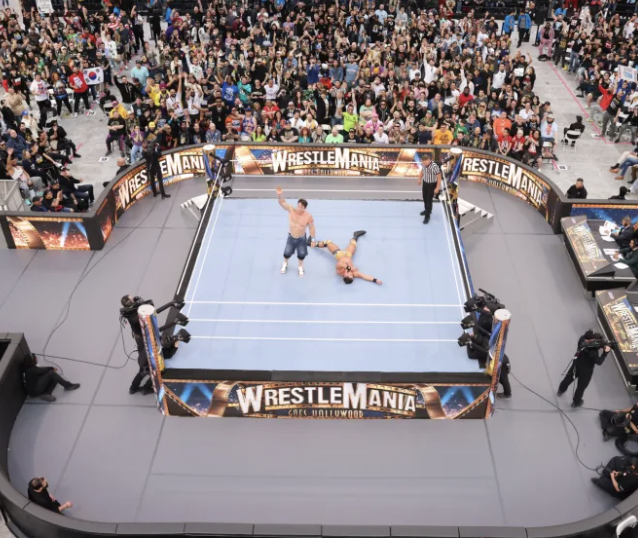
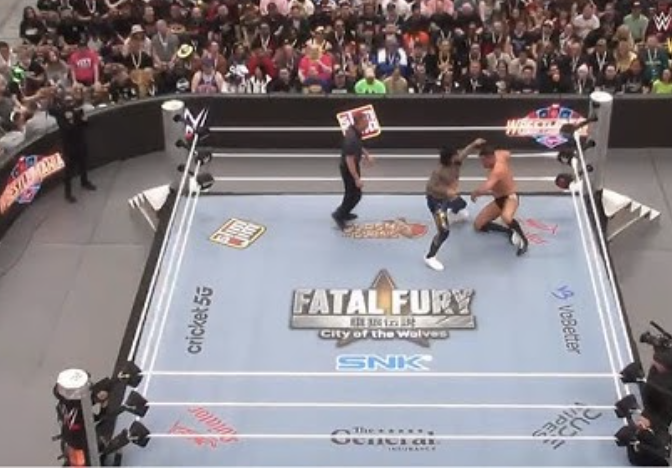
It’s still wrestling — but undeniably different.
Now look at TNA (Total Nonstop Action).
Early TNA was unmistakable:
A six-sided ring
A name so odd it stuck
Unfiltered energy and a presentation no one else was doing
As the years went on, the edges softened:
Four-sided ring
Name changes
No blood
No slapping
A cleaner, more WWE-adjacent production footprint
At the beginning, it was Jeff and Jerry Jarrett fighting to build something from scratch. Now it’s a corporate property with investors, executives, and year-end targets. And those targets shape decisions.
If the company truly isn’t profitable — as @HowieLongShort noted — the pressure accelerates. Faster changes, faster tightening, faster “optimization.”
A very real example: The $25 GA ticket is gone. Now the entry price is $55+ on Ticketmaster. Great for the P&L. Tougher for families. Not evil, simply enshittification in action.
So What’s the Counterweight? Founder-Level Care
In his recent book, Lululemon founder Chip Wilson makes a simple argument: Brands fall apart when they stop talking to people and start listening only to shareholders.
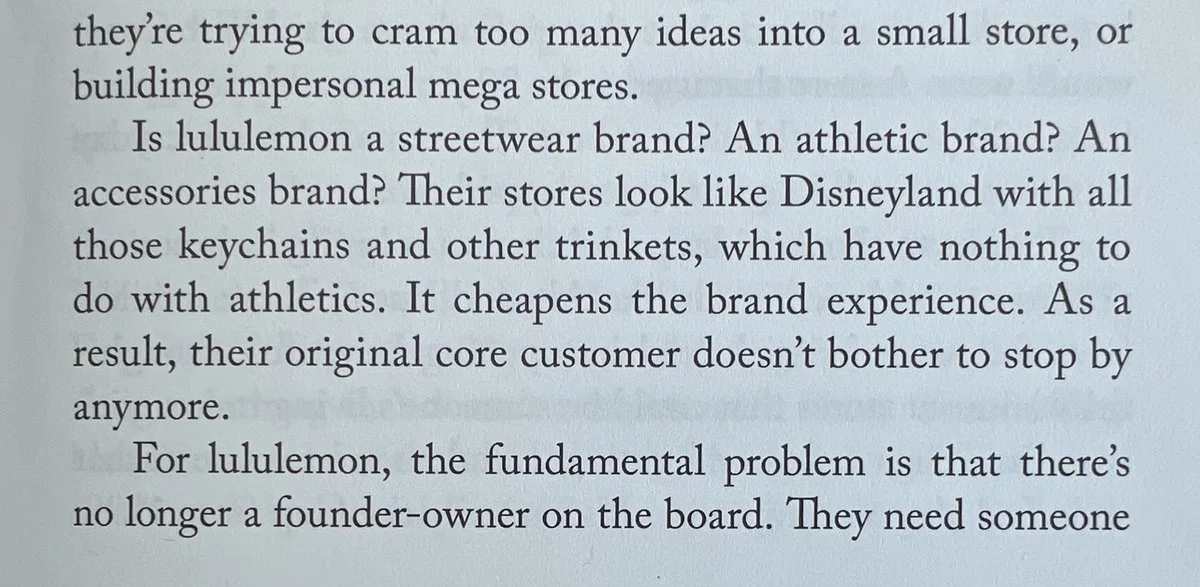
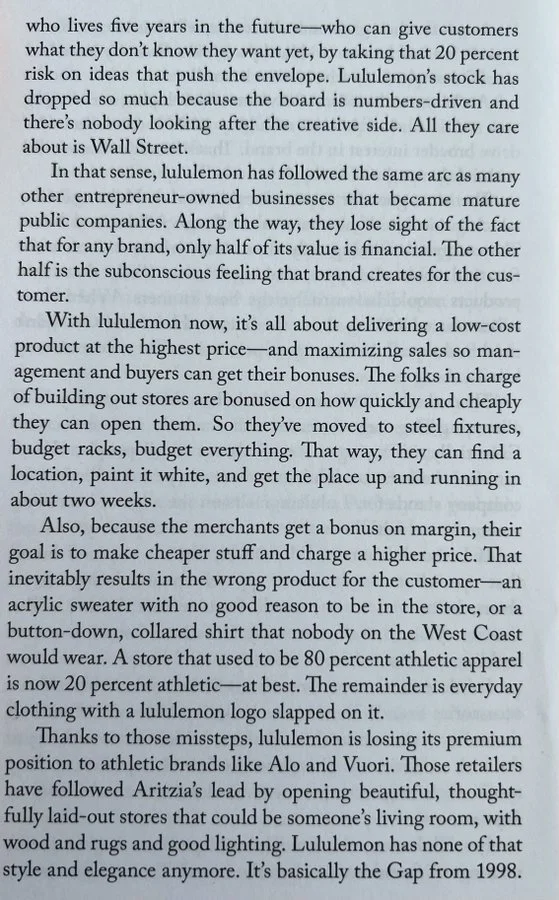
They lose the “founder’s voice.”
Or — and this matters — they lose people who care like founders.
That’s the through-line in wrestling too.
You don’t have to agree with every decision Tony Khan makes at AEW. But you never wonder whether he cares. The soul of the thing is protected.
Vince McMahon operated with the same founder-driven gravitational pull — which is exactly why some fans feel disoriented by the TKO transition. “Who has our best interests at heart now?”
And That Brings Us Back to TNA
When fans mention Gail Kim and Scott D’Amore in this context, it’s not nostalgia for nostalgia’s sake.
To them, those names were signals: “Someone in the room loves the product as much as I do.”
When Scott exited, Gail became the last emotional anchor. Now… the void is noticeable.
And to be fair, the critique isn’t wrong. TNA does feel different, because the decision-making structure is different.
I lived part of this firsthand. We paywalled content. We raised prices. We adjusted models. Not because we didn’t care — but because the business needed it to survive. Behind the scenes, we pushed to apply founder-style care to everything… but you can only shield so much.
A Useful Reminder From the James Bond Franchise
The Broccoli family, longtime stewards of Bond, have a maxim:
“Never let temporary people make permanent decisions.”
That’s the essence of the enshittification cycle. Hand something over to people without emotional equity in the identity — and you end up with Disney Star Wars, modern McDonald’s, or whatever’s left once the sanding is done.
Some fans genuinely prefer the “new” version of things. Big Macs are still Big Macs, no matter what the building looks like. Star Wars is still great.
But if you can’t quite articulate why something you loved suddenly feels different?
You’re probably sensing the same pattern Doctorow mapped out.
Enshittification.